When I first started to really enjoy wine, I quickly realised something slightly uncomfortable. I had no idea what I was actually buying.
I loved wine, I drank wine often, but standing in front of a shelf filled with bottles, regions, unfamiliar names, and labels written in tiny print felt surprisingly overwhelming. I did not know which regions were considered desirable, what information actually mattered, or how to tell whether a wine would suit my taste.
So I did what many people do quietly. I started researching. Slowly. One label at a time.
This post is everything I wish I had known back then. A simple, calm way to read a wine label and understand what it is trying to tell you, without turning wine buying into something intimidating.
Why Wine Labels Can Feel Confusing
Wine labels rarely tell you directly what a wine will taste like. Instead, they focus on clues such as grape variety, region, producer, alcohol level, and vintage.
Once you understand how to read these clues, labels stop feeling cryptic and start feeling helpful. You do not need to memorise everything. You only need to know what to look for.
Start With the Grape Variety
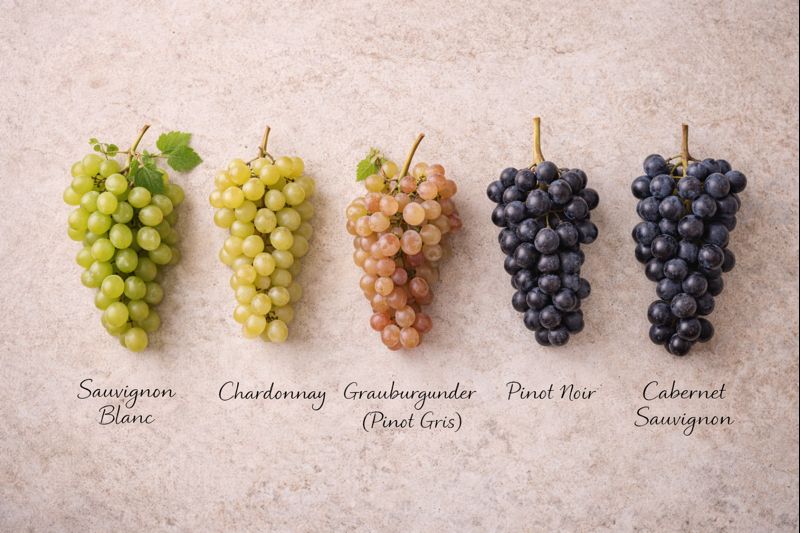
One of the easiest places to begin is the grape. Many wines, especially from New World regions, clearly state the grape variety on the label.
Some common examples include Pinot Noir, which is usually light to medium bodied and elegant, Cabernet Sauvignon, which is fuller bodied and structured, Chardonnay, which can range from fresh and crisp to creamy and rich, and Sauvignon Blanc, which is often aromatic and high in acidity.
Over time, learning which grapes you enjoy most gives you a reliable starting point no matter where you are shopping.
Why the Region Matters More Than You Think
When I started paying attention to wine regions, labels suddenly made more sense. Regions do not just tell you where a wine is from. They often hint at style, structure, and even how the wine might behave with food.
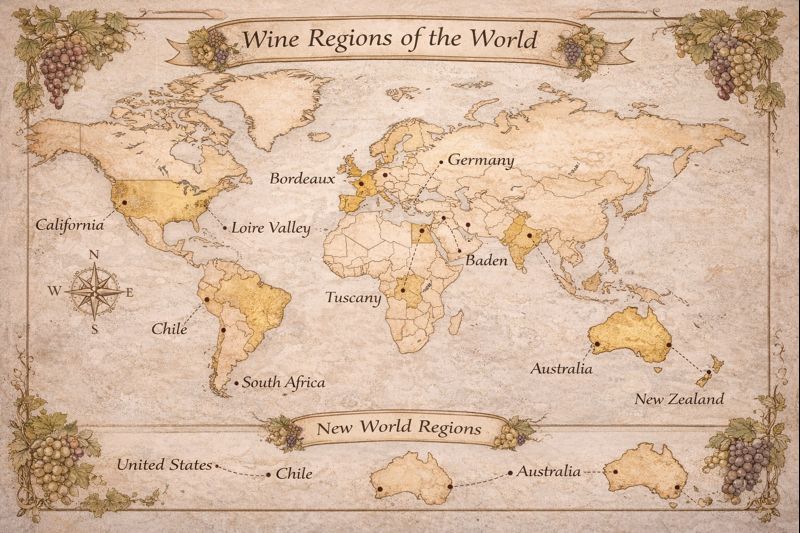
Here are a few regions I learned to recognize early on and what they are generally known for.
France
French labels often emphasize region rather than grape, which can feel confusing at first. Burgundy is known for elegant Pinot Noir and Chardonnay, Bordeaux for structured red blends, the Loire Valley for fresh expressive whites, and Alsace for aromatic varieties like Pinot Gris and Riesling. French wines often focus on balance and restraint.
Italy
Italian wines are deeply connected to food. Pinot Grigio is usually light and crisp, while regions like Tuscany produce more structured reds. Italian labels can look complex, but many wines are designed to be enjoyed with meals rather than analyzed.
Germany
Germany is often associated with Riesling, but regions like Baden are also known for Grauburgunder, the German name for Pinot Gris. These wines often have more texture and sometimes a deeper color, something I personally noticed and explored further in my post Why Some White Wines Look Darker Yellow.
Spain
Spanish wines often offer warmth, depth, and excellent value. Regions like Rioja are known for smooth reds with gentle oak influence, making them approachable and food friendly.
New World Regions
Countries like the United States, Australia, New Zealand, Chile, and South Africa tend to label wines clearly by grape variety. These wines are often fruit forward and easier to understand, which can be especially helpful when you are starting out.
Alcohol Percentage Is a Helpful Clue
One detail I completely ignored at first was alcohol content. Over time, I realized it can tell you a lot about a wine’s style.
Lower alcohol wines often feel lighter and fresher, while higher alcohol wines tend to feel richer and fuller. This is not a strict rule, but it can help guide your choice depending on the occasion.
Vintage Does Not Mean What You Think
The vintage tells you the year the grapes were harvested. For most everyday wines, newer vintages are usually fresher and more approachable. Older does not automatically mean better unless the wine is specifically made for aging.
If you are unsure, choosing a recent vintage is usually a safe and enjoyable option.
What About Wine Color and Appearance
At one point, I noticed that one of the white wines I bought looked noticeably darker than the others, even though it was from the same year. My instinct was that darker color meant older wine.
That moment led me to learn that grape variety and winemaking style can strongly influence colour, especially with wines like Grauburgunder or Pinot Gris. If you are curious about this, I explain it in more detail in my post Why Some White Wines Look Darker Yellow. It completely changed how I look at wine colour.
Organic Wine and What the Label Does Not Always Say
Another area where labels can be misleading is organic wine. Not all wines made organically are labeled as such, and not all organic labels mean the same thing.
When I started paying attention to how wine is grown, I realised that understanding organic wine helped me feel more confident about what I was buying. If this matters to you, I go into much more detail in my post Organic Wine for Beginners: What to Buy Before You Buy.
Organic wine is not about being perfect or strict. It is about understanding your options and choosing what aligns with your values and taste.
What You Do Not Need to Worry About
One of the biggest lessons I learned over time is what not to stress over.
You do not need to recognise every producer, memorise regions, understand every term, or buy the most expensive bottle. Wine labels are not tests. They are guides.
What I Look For Now
These days, when I pick up a bottle, I usually glance at the grape, the region, the alcohol level, and whether it fits the moment I am buying it for.
That is enough.
Final Thoughts
Learning how to read a wine label does not mean turning wine into something serious or intimidating. It simply gives you the freedom to choose with a bit more confidence.
If you are at the beginning of your wine journey, take your time. Curiosity matters far more than expertise. Every bottle teaches you something, even the ones you do not love.
And that is part of what makes wine such a pleasure.