The other day, I was stocking up my wine shelf. Nothing unusual, just one of those quiet wine shop visits where you grab a few familiar bottles and maybe one or two new ones to try. I chose several white wines from the same vintage, all meant for easy drinking over the coming weeks.
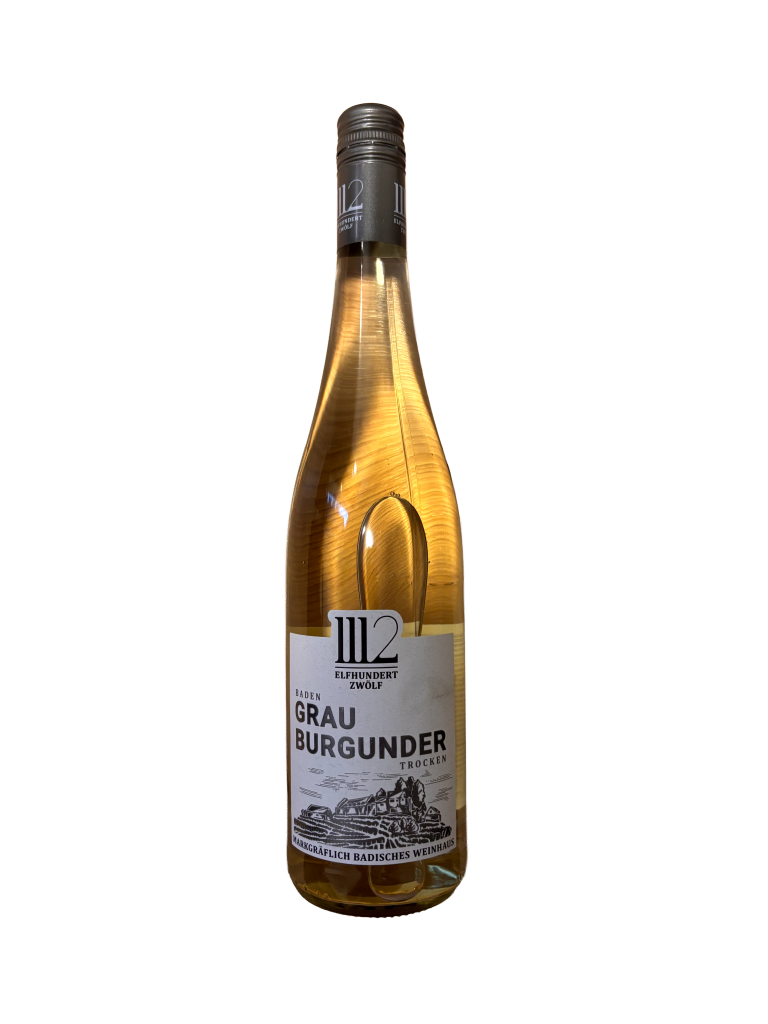
When I got home and lined them up on the counter, one bottle immediately stood out.
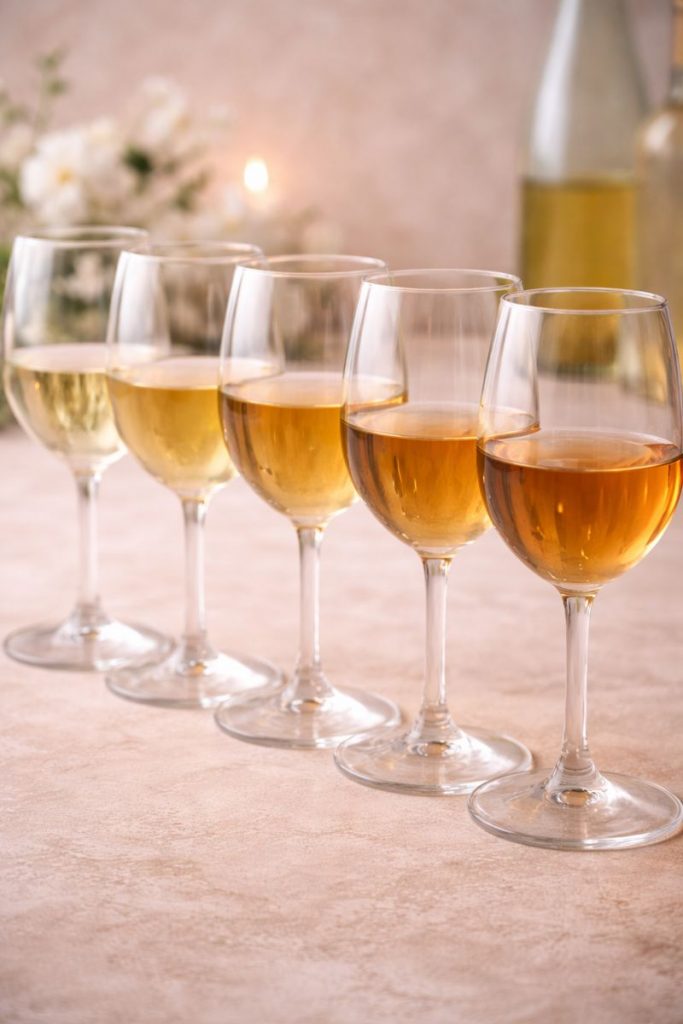
The Grauburgunder from Baden looked noticeably darker than the others. Not cloudy or flawed, just deeper in colour. More golden. Almost honeyed. And my first thought was the same one many people have:
Is this wine older?
Darker white wine often signals age, or so we’re told. But this bottle was from the same year as the rest. That moment of quiet confusion is what led me to look a little closer, and it turns out the explanation is far more interesting than simply age.
Does Darker White Wine Mean It’s Old?
Not necessarily.
While it’s true that white wines tend to deepen in colour as they age, colour alone doesn’t tell the full story. A darker yellow or golden hue can appear in perfectly young, fresh wines for several reasons, many of which have nothing to do with age or quality.
In fact, some white wines are simply born looking a little deeper.
Grape Variety Makes a Difference
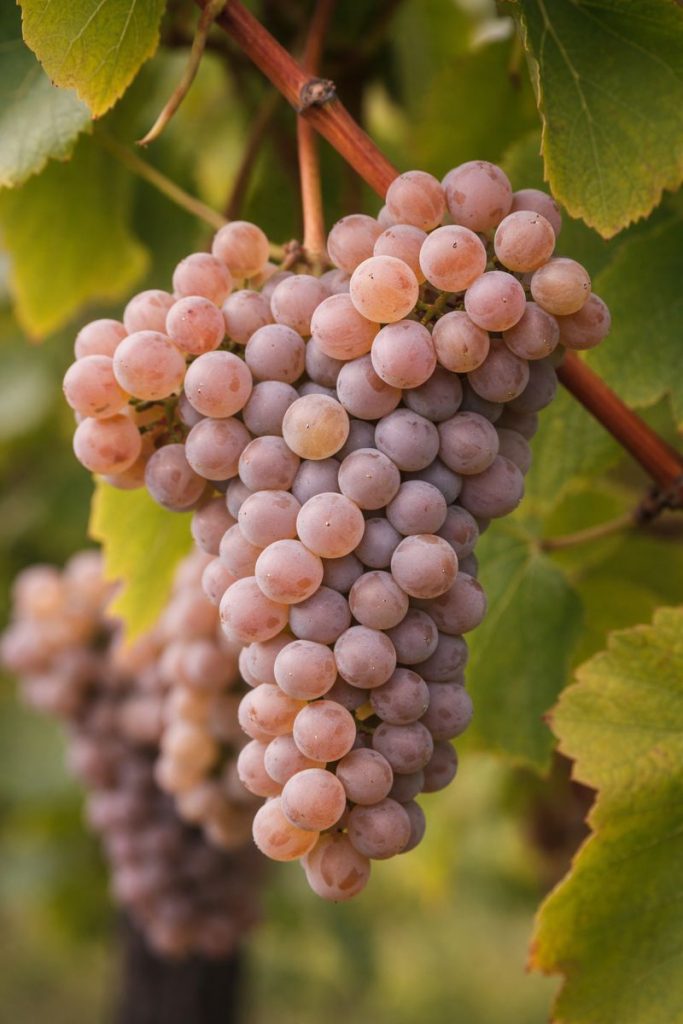
Grauburgunder, also known as Pinot Gris, is a perfect example. Compared to grapes like Riesling or Sauvignon Blanc, Grauburgunder often produces wines with more colour, texture, and weight.
The grape itself has a slightly pinkish-grey skin, which can contribute to a deeper hue during winemaking. Even when made in a fresh, unoaked style, Grauburgunder wines can appear more golden than other whites from the same vintage.
In my case, the darker colour wasn’t a warning sign at all. It was simply the grape showing its character.
Winemaking Style Influences Colour
How a white wine is made plays a major role in how it looks.
Some white wines spend more time in contact with their grape skins before pressing. Others are fermented or aged in oak barrels. Even small amounts of oxygen exposure during winemaking can gently deepen a wine’s colour without affecting its freshness.
These are stylistic choices, not flaws.
A pale white wine isn’t automatically better or fresher than a deeper one. It’s just different.
Age Still Plays a Role, Just Not the Only One
As white wines age, they do tend to move from pale straw to gold and eventually amber. That part is true. But age-related colour change usually comes with other signs as well, like evolved aromas or a softer structure.
When a wine is young, sealed, and from a recent vintage, colour alone shouldn’t be the deciding factor in judging its condition.
How Does Spoiled White Wine Look?
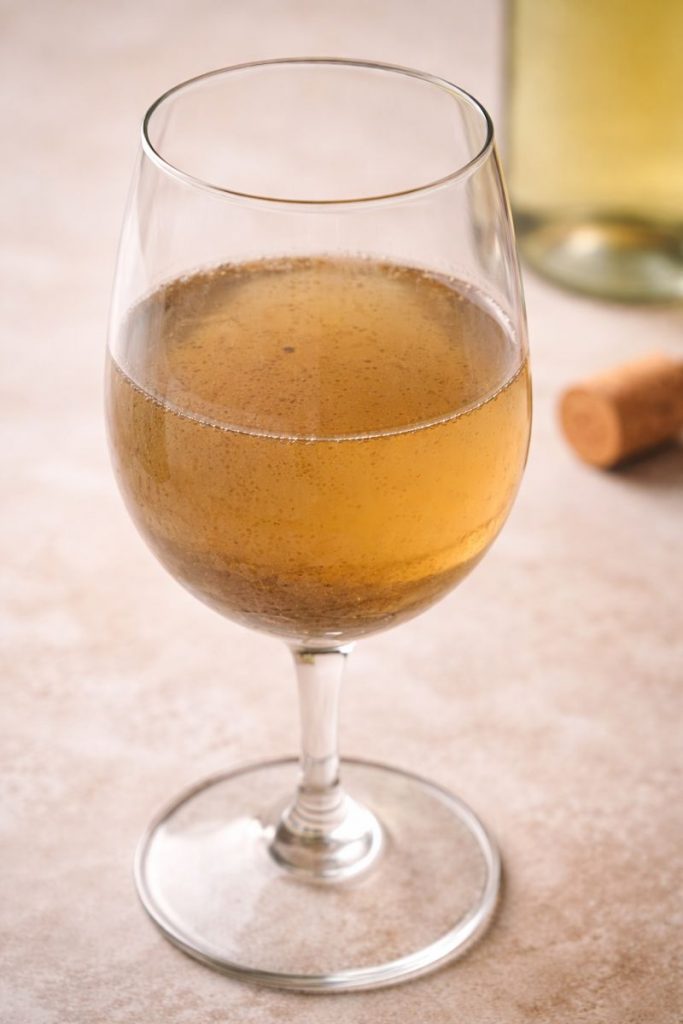
While a darker yellow colour doesn’t automatically mean something is wrong, there are a few visual signs that can indicate a white wine has spoiled.
The key difference is that spoilage usually shows up as more than just a change in colour.
A spoiled white wine may appear:
- brownish or dull rather than golden or straw-coloured
- cloudy or hazy when it shouldn’t be
- murky, with particles floating that don’t settle
Unlike naturally richer white wines, spoiled wine often lacks clarity. The colour may look flat or lifeless rather than vibrant.
Colour Alone Is Rarely the Problem
Most wine faults are detected by smell and taste rather than sight. A white wine can look perfectly fine and still be flawed, while another may look deeper in colour but be completely sound.
If a white wine is spoiled, you’re more likely to notice:
- musty or cardboard-like aromas
- sharp vinegar notes
- a flat, unpleasant taste
If the wine smells clean and tastes balanced, the colour is rarely something to worry about.
What I Took Away From That Bottle
Standing there with my lineup of white wines, that Grauburgunder quietly reminded me of something I often come back to with wine.
Not everything that looks different is wrong.
Sometimes it’s simply telling you something about where it comes from, how it was made, or what kind of experience it offers. Since then, I’ve found myself paying more attention to colour, not as a warning sign, but as a clue.
A darker white wine might be richer, rounder, or more textured. It might pair better with food. It might surprise you.
Final Thoughts
That one bottle of Grauburgunder reminded me that wine doesn’t always behave the way we expect it to. And that’s part of its charm.
Next time you notice a white wine that looks a little darker than the rest, pause before assuming the worst. It might simply be showing you its personality.
And sometimes, those are the bottles that end up being the most memorable.