Organic wine has become increasingly popular, but for many people it still feels confusing. Labels can be unclear, prices vary widely, and it is not always obvious what actually makes a wine organic in the first place. If you have ever stood in a wine shop wondering whether organic wine is worth it or what to look for, you are not alone.
This guide is written for beginners who are curious about organic wine but want simple, practical information. No hype, no fear based messaging, just a clear explanation of what organic wine is, how it differs from conventional wine, and how to choose a bottle with confidence.
What Organic Wine Actually Means
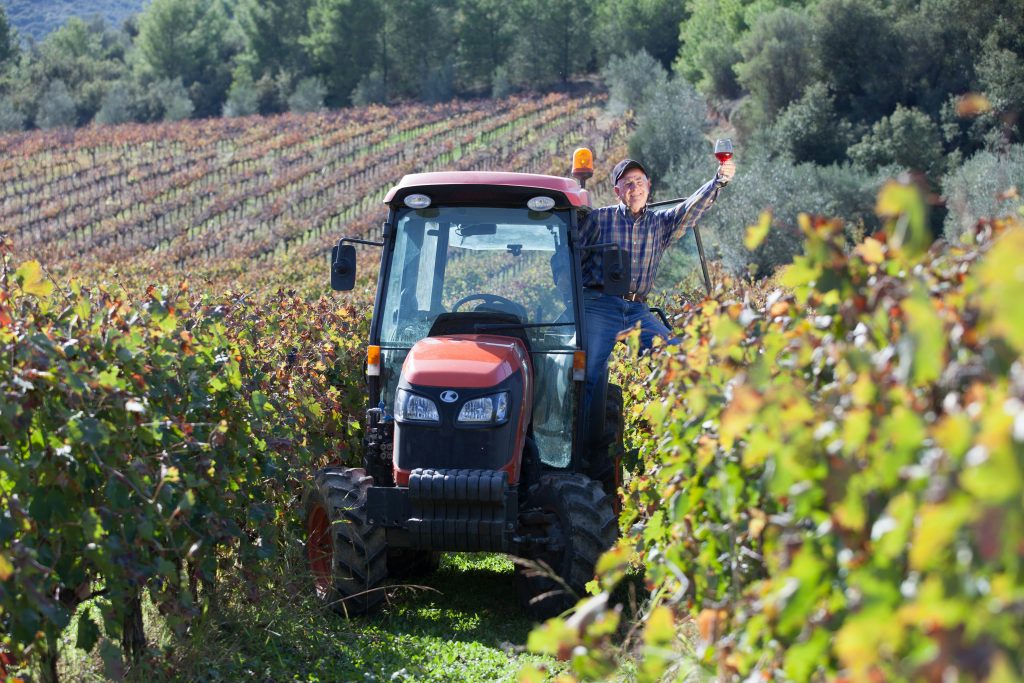
At its core, organic wine starts in the vineyard. Organic grapes are grown without synthetic pesticides, herbicides, or chemical fertilizers. Instead, organic vineyards rely on natural methods to protect the vines, improve soil health, and encourage biodiversity.
In many countries, organic wine must meet certification standards that regulate how the grapes are grown and how the wine is made. These standards vary slightly depending on where the wine is produced, but the foundation is the same. Fewer chemicals in the vineyard and more attention to natural farming practices.
It is important to note that organic wine is not the same as natural wine, although the two are often confused. Organic wine refers to farming practices. Natural wine refers to minimal intervention during winemaking. A wine can be organic without being natural, and natural without being certified organic.
How Organic Wine Is Different From Conventional Wine
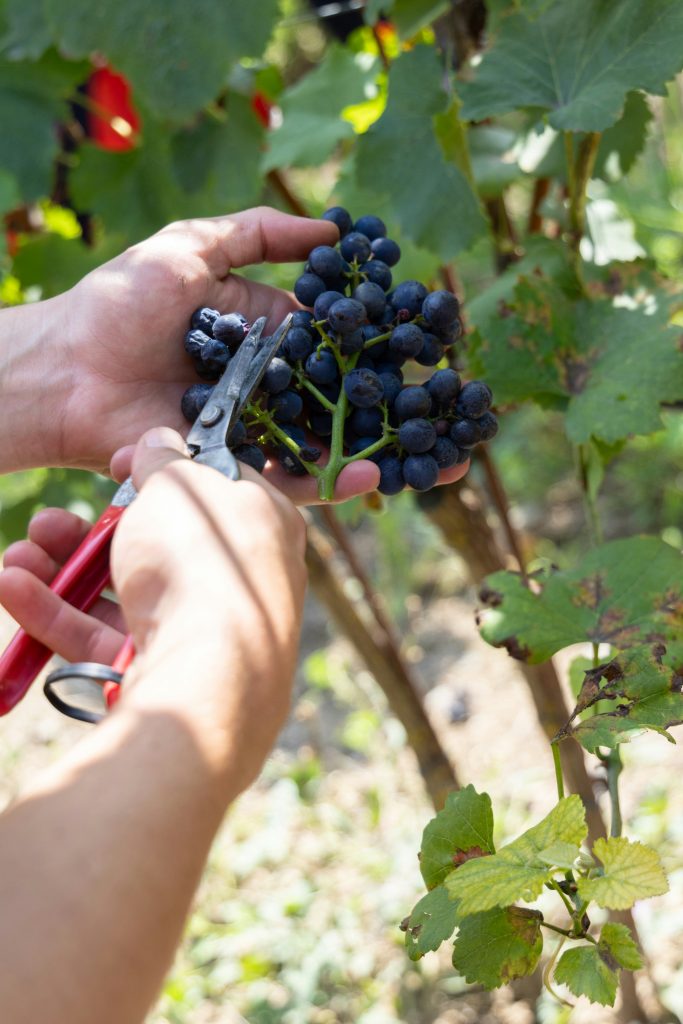
The biggest difference between organic and conventional wine is how the grapes are grown. Conventional vineyards often use chemical sprays to control pests and maximize yields. Organic vineyards avoid these chemicals and instead focus on soil health, vine balance, and long term sustainability.
In the winery, organic wines typically use fewer additives. Some still contain sulfites, which help preserve the wine, but often in lower amounts than conventional wines. This is one reason some people feel organic wine tastes cleaner or lighter, although taste is always subjective.
Organic wine production often prioritises quality over quantity. Lower yields and healthier vines can result in wines that feel more expressive and balanced.
Does Organic Wine Taste Different
Many people notice that organic wine tastes fresher or more vibrant, but this is not guaranteed. Taste depends on grape variety, climate, winemaking style, and personal preference.
What organic wine often offers is clarity. Flavors can feel more focused and less masked by heavy manipulation. For beginners, this can make organic wine easier to enjoy, especially if you prefer wines that feel lighter, smoother, or less overwhelming.
That said, organic wine still comes in many styles. You can find bold reds, crisp whites, sparkling wines, and everything in between. Choosing organic does not limit your options.
Is Organic Wine Better for You
This is one of the most common questions beginners ask. Organic wine is not a health product, and moderation always matters. However, organic wine does avoid many synthetic chemicals used in conventional farming, which is one reason people choose it.
Some people find they feel better after drinking organic wine, while others notice no difference. There is no universal experience. What organic wine does offer is transparency and a farming approach that aligns with more mindful consumption.
If you value knowing how your wine is made and where it comes from, organic wine can feel like a more intentional choice.
How to Spot Organic Wine in the Store

The easiest way to identify organic wine is to look for certification labels on the bottle. These vary by country but often include words like organic, certified organic, or symbols from official certification bodies.
If a wine does not have a visible label, you can still ask at a wine shop or read the producer information on the back label. Many organic producers are proud of their practices and mention them clearly.
Do not assume that higher price automatically means organic. There are many affordable organic wines available, especially from regions that naturally support organic farming.
What to Expect in Terms of Price
Organic wine can sometimes cost slightly more, but the difference is often smaller than people expect. Many everyday organic wines are priced similarly to conventional options.
The price reflects farming methods that prioritize long term health of the vineyard rather than maximum output. For beginners, starting with an everyday organic bottle is a great way to explore without commitment.
Best Organic Wine Styles for Beginners
If you are new to organic wine, certain styles tend to be especially approachable.
Organic Sauvignon Blanc is often fresh, crisp, and easy to enjoy. Organic Pinot Noir tends to be lighter and smoother than heavier red wines. Organic rosé is versatile and forgiving, working well with many foods. Organic sparkling wine is also a great entry point, offering brightness and balance.
Starting with familiar grape varieties makes the transition to organic wine feel natural and comfortable.
When Organic Wine Makes the Most Sense
Organic wine is a great choice for everyday drinking, casual dinners, and relaxed evenings at home. It pairs well with simple meals and works beautifully for people who enjoy lighter, cleaner flavors.
It is also a thoughtful option when building a wine collection that aligns with sustainability and mindful living.

Final Thoughts
Organic wine does not have to feel intimidating or exclusive. At its best, it is simply wine made with care, intention, and respect for the land. For beginners, the key is to stay curious, start with familiar styles, and trust your own taste.
Choosing organic wine is less about rules and more about preference. Whether you switch completely or simply add a few organic bottles into your rotation, it can be a rewarding way to explore wine with confidence and ease.