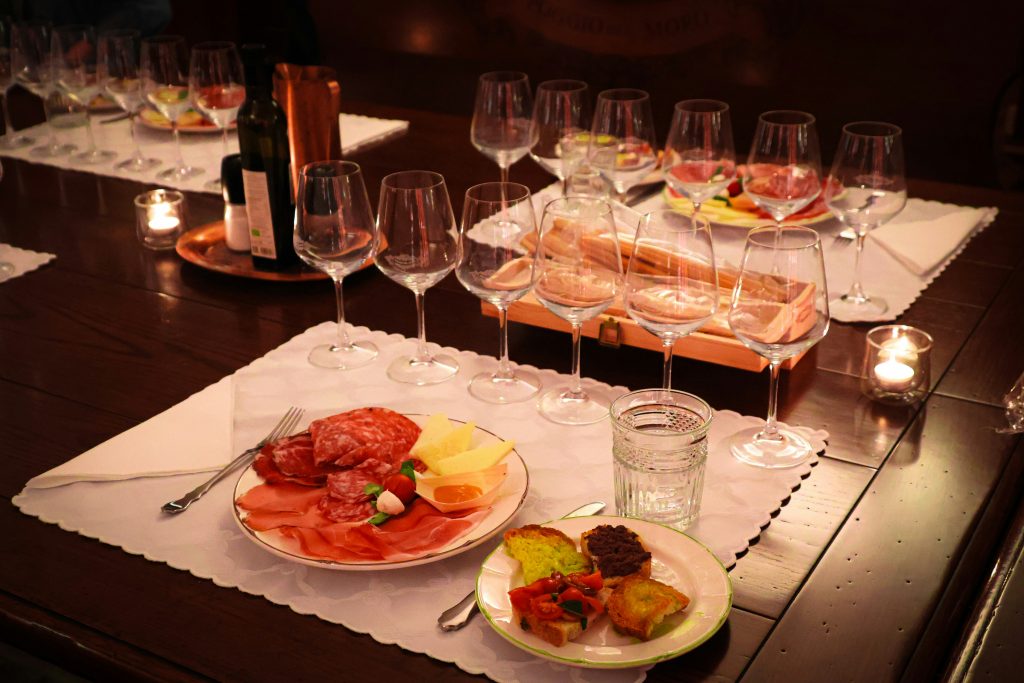
Learning how to pair wine with food is much easier than most people think.You don’t need expert-level knowledge or a long list of rules, just a few simple wine and food pairing tips that make everyday meals taste better. This beginner wine guide breaks down the basics in a clear, approachable way so you can feel confident choosing the right bottle for dinner, hosting, or takeout nights.
If you want to go deeper after this, you can explore flavours seasonally. I have a Fall Wine Pairing Guide, a cozy Comfort Food Wine Pairing Guide, and a festive Christmas Wine Pairing Guide that all build on these beginner-friendly foundations.
But let’s start with the basics—the tips that work with almost any meal and every budget.
1. The Easiest Rule of All: Match Weight With Weight
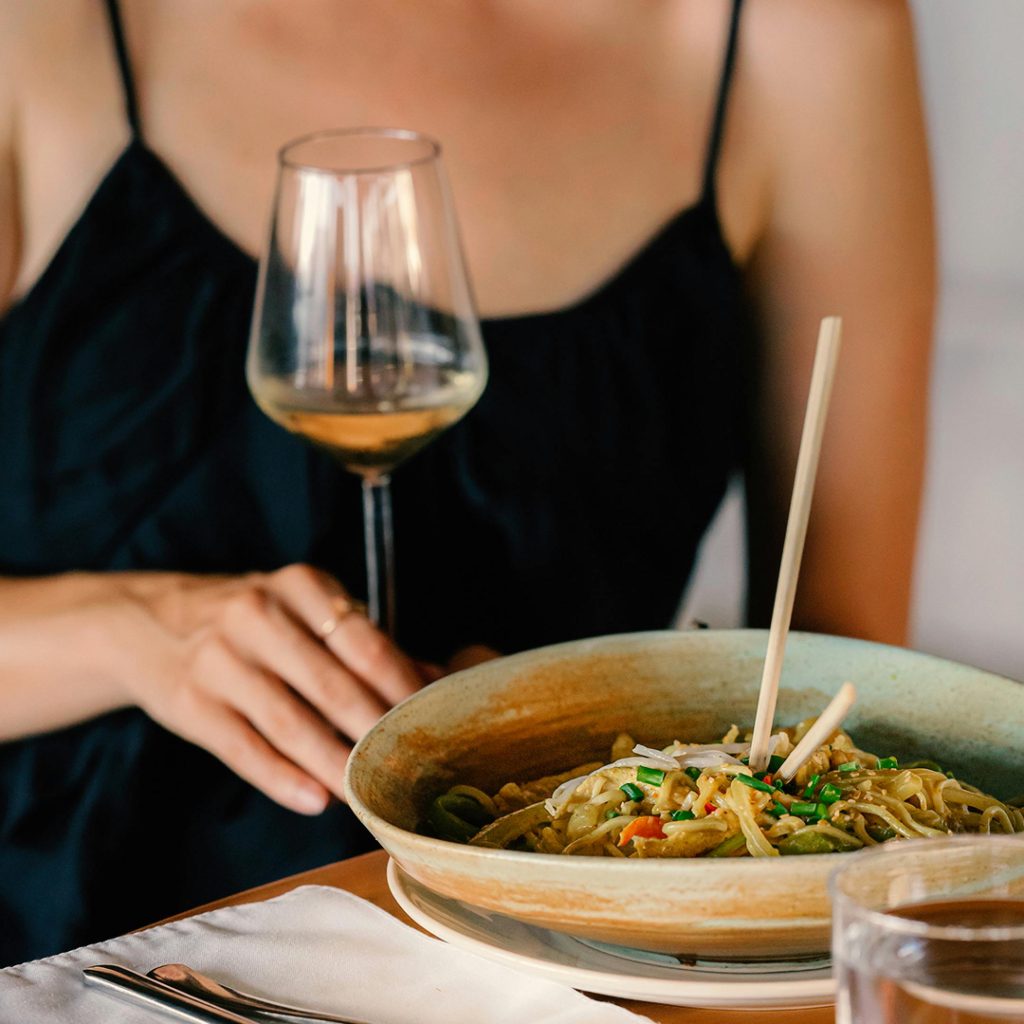
This is the simplest wine pairing rule and honestly the most reliable.
Light food – Light wine
Think salads, fish, veggies, simple pasta.
Try:
- Sauvignon Blanc
- Pinot Grigio
- Rosé
- Beaujolais
Medium food – Medium wine
Chicken dishes, creamy sauces, roasted veggies.
Try:
- Chardonnay
- Pinot Noir
- GSM blends
Rich or heavy food – Bold wine
Steak, braised meats, lasagna, deep flavours.
Try:
- Cabernet Sauvignon
- Malbec
- Syrah/Shiraz
If the dish is rich, the wine should be able to keep up. Simple as that.
2. Pair Wine With the Sauce, Not the Protein
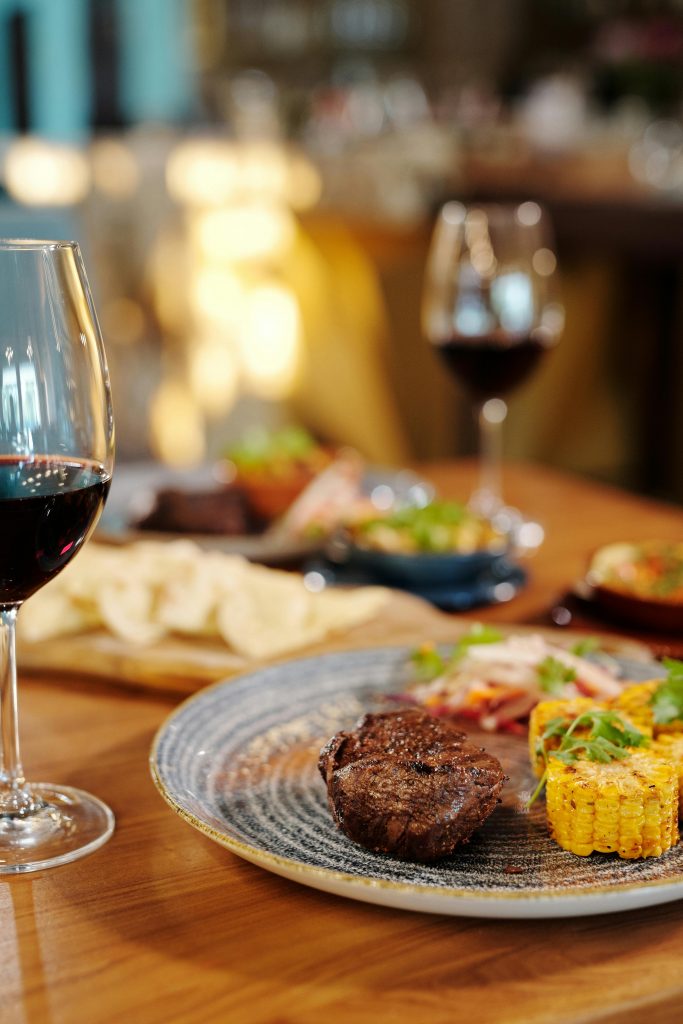
This one surprises beginners, but it’s a game-changer.
- Lemon chicken – pair with a zesty white
- Creamy mushroom sauce – try a Chardonnay or Pinot Noir
- BBQ ribs – bold, juicy reds like Zinfandel or Cabernet
The sauce usually determines the flavor direction, not the meat itself.
3. When in Doubt, Choose These “Universal Pairing Wines”
There are a few wines that simply get along with most foods – great if you’re hosting or unsure what someone is serving.
Pinot Noir
Light enough for salmon, bold enough for poultry and pork.
Sauvignon Blanc
Refreshing, great with salads, seafood, goat cheese, herbs.
Rosé
Honestly works with almost everything. A true wildcard.
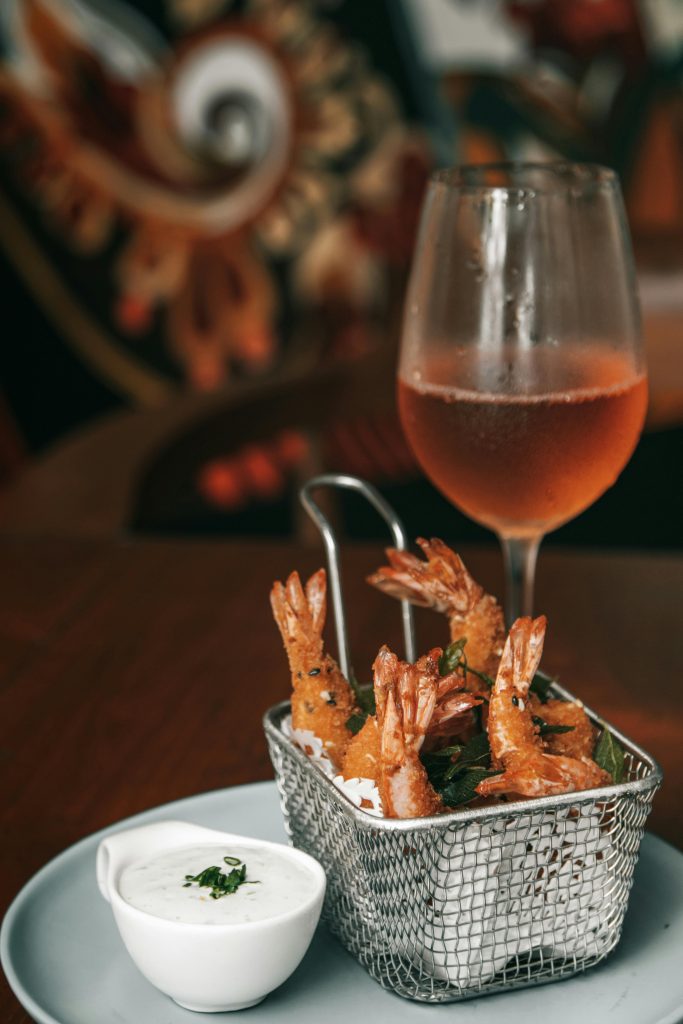
Champagne or Sparkling Wine
Incredible with salty, crispy, or fried foods.
Yes – Champagne and fries is a thing. And it’s glorious.
4. The “Flavour Bridge” Trick
This is when a wine and food share similar flavour notes.
Examples:
- Citrus-forward Sauvignon Blanc + lemony pasta
- Vanilla-oaked Chardonnay + creamy, buttery dishes
- Peppery Syrah + pepper-crusted steak
- Sweet Riesling + spicy Thai or Indian food
Matching flavours creates harmony.
5. Pairing Wine With Everyday Meals (Real-Life Guide)
Let’s be realistic, most of us aren’t cooking elaborate restaurant-level dinners every night. Here are easy, everyday wine pairings that work beautifully:
Pizza
Try: Chianti, Barbera, Sangiovese
(Tomato acidity + Italian red acidity = perfect match)
Pasta with Tomato Sauce
Try: Montepulciano or Cabernet Franc
Creamy Alfredo Pasta
Try: Chardonnay or Pinot Grigio
Burgers
Try: Zinfandel or Malbec
Sushi
Try: Riesling, Sauvignon Blanc, or Champagne
Tacos
Try: Rosé or sparkling wine (trust me on this)
If comfort meals are more your style, you’ll love my Comfort Food Wine Pairing Guide, where we dive deeper into mac & cheese, soups, cozy bowls, and warm winter dishes.
6. Sweet Food Needs Sweeter Wine
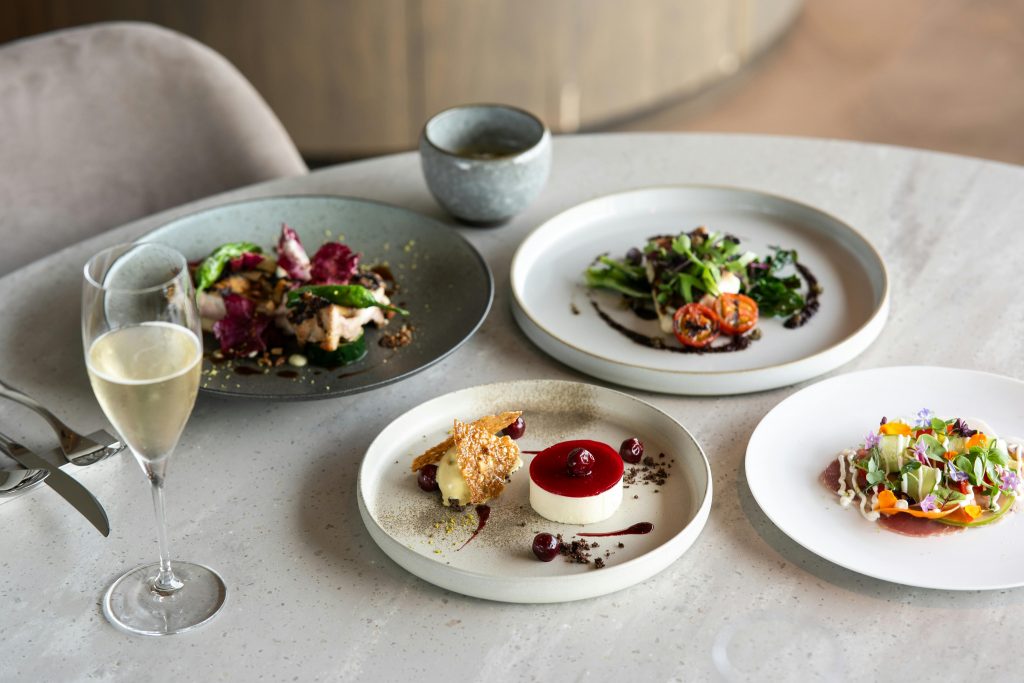
If you’ve ever felt like wine “tastes off” with dessert, this is why:
Dessert wine should be sweeter than the dessert itself.
Otherwise the wine goes flat, sour, or bitter.
Great pairings:
- Chocolate + Port
- Berry desserts + Moscato
- Cheesecake + Late Harvest Riesling
Holiday flavors? I cover those in my Christmas Wine Pairing Guide, too.
7. Pairing Wine With Spicy Food
Spicy dishes need wines that cool the heat, not intensify it.
Best choices:
- Off-dry Riesling
- Gewürztraminer
- Sparkling wine
- Rosé
Avoid:
- High-alcohol reds
- Heavy tannins
They make spice feel hotter.
8. When All Else Fails: Drink What You Love
Some meals break all the rules.
Some wines surprise you.
And sometimes the “wrong” pairing ends up being your favorite.
Wine is personal.
Your palate matters.
Use this guide as a foundation – but always choose what you enjoy.
9. Ready to Explore More Pairings?
Once you’ve got the basics, try these next:
Fall Wine Pairing Guide – cozy autumn flavours
Comfort Food Wine Pairing Guide – warm, hearty dishes
Christmas Wine Pairing Guide – festive dinners & desserts
Each one builds on this beginner guide with more seasonal ideas and flavour inspiration.
Final Sip
Pairing wine with food doesn’t have to feel intimidating. With a few beginner-friendly guidelines, some versatile wines you can keep on hand, and a willingness to explore, you’ll quickly discover which combinations feel like magic. The best way to learn is simply to taste, try, and enjoy the moment.